HOW TO MAINTAIN SAFETY FOR SMALL FLEETS

Heavy vehicles feature a disproportionate amount in Australia’s road toll. Though this statistic isn’t necessarily due to drivers or fleet owners – car drivers are at fault in 82 per cent of fatal collisions involving trucks - it's still of great concern for our industry When a large trucking fleet is found to have unsafe practices, it normally grabs the public’s attention. This is understandable – a national fleet with poor safety standards, defects or dangerous driving practices puts everyone in danger. As such, large fleets have witnessed the negative impact that cutting back on safety can have on their workers, their reputation and their bottom line. More often than not, they can afford to treat safety as a high priority, whereas smaller fleets – which are less frequently subject to equal scrutiny – often don't have the resources to enact these kinds of safety procedures. They're understandably more concerned with the immediate job at hand.
Putting it into context
The fact is, small fleets face many unique pressures that larger fleets don't have to contend with. As the chain of responsibility lengthens, everyone related to a bigger operation - from contract providers to shareholders - has a clear incentive to ensure a high level of safety compliance. While time-poor small business operators are trying to cut costs, larger fleets often have contracts with national and multinational corporations. These companies are very keen to avoid the bad publicity that unsafe logistics procedures can create. Large fleets also have a greater ability to negotiate contractual obligations, and due to the size and productivity of their loads, receive less scrutiny over small cost-cutting measures. They also have the financial clout to reject inappropriate contracts. But what the larger companies refuse, eventually gets picked up by the rest. Smaller fleets can become crippled by their obligations. The threat of delayed payments, contract cancellations and reduced rates can sometimes force smaller companies to make the choice between safety, and actually delivering on a job. In a hyper-competitive industry, you can’t blame small fleet owners for wanting to maximise profits to match their competition. That said, unsafe conditions, however they materialise, put drivers and the general public at increased risk. That’s why it’s essential that smaller fleet owners are able mimic the safety practices of larger companies.
It’s cheaper on the safe side
If you’re a small fleet operator, one of the key factors behind increasing safety is the age of your trucks. On average, Australia now has an older trucking fleets than many other Western countries, despite the rugged conditions we operate them in. At an average truck age of 14.8 years, your typical small fleet can't boast the sort of safety advantages created by the latest technology on the market, such as Electronic Stability Control, Hill-Start Aid (HSA), Anti-lock Braking (ABS), Anti-skid Regulator (ASR) traction control or Telematics. Improving safety through fleet renewal can also reduce your insurance costs by lowering your claim rate, with trucks that meet basic safety standards 33 per cent less likely to make an insurance claim. Furthermore, it can have a significant impact on the fuel efficiency and reliability of your fleet. We acknowledge that upgrading your fleet can be expensive but it can save you a huge amount of money on fuel alone. Logically, reducing the average age of your fleet is also the best way of combating mechanical downtime and reducing maintenance costs.
Small fleet, big responsibility
Focusing on safety is obviously crucial, and smaller fleets and owner-operators are of massive national importance in improving road safety. A whopping 94 per cent of operators in Australia have between one and four trucks in their fleet, so focusing safety initiatives only on larger fleets is ignoring the bigger picture. If you’re a smaller operator however, looking to the practices of larger companies can provide real strategies that, when employed, can improve the safety and cost-effectiveness of your fleet. Large fleets have been setting the benchmark for Australian road safety so far, and reaping the efficiency and insurance benefits as a result. It stands to reason that the best way to become a bigger fleet, is to act like one. Often the most effective way to move forward, is to look upwards. 
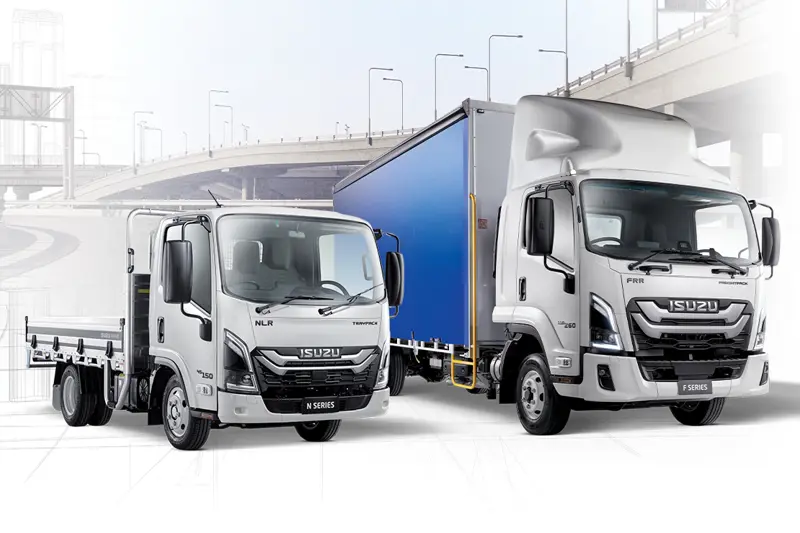
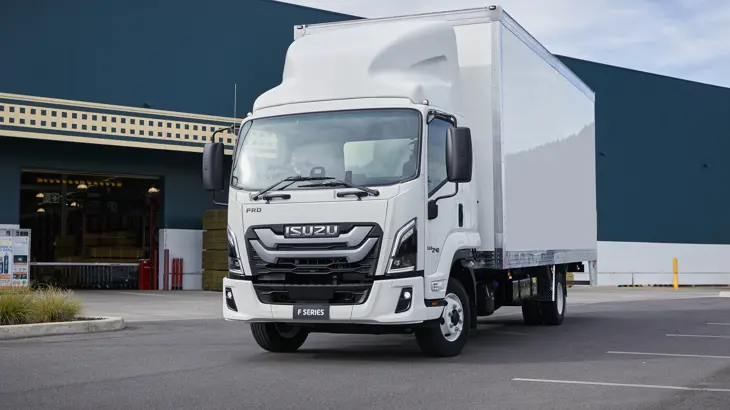
The all-new range of Isuzu trucks has arrived. With a sleek new cab design, more advanced safety features and a smoother, more comfortable drive, the new range will change the way we rely on our trucks. Forever.
Learn more
Subscribe
Want all the latest Isuzu news?
Stay up to date with the latest on Isuzu and dealerships near you.