AUTOMATION: EFFICIENCY OR FALLACY?

When it comes to discussing the likelihood of technological leaps and their effects on our lives, one must tread carefully.
It’s far from clear what the future holds, although with context and research, we can begin to explore what might lie ahead for the broader transport and logistics industry.
At this point in history, the automation of knowledge has far outstripped progress in the automation of physical jobs—with physical jobs being something as simple as crossing a room and picking up a plate or choosing the correct groceries from a shelf.
We can program computers to solve complex problems and apply algorithms (you only need to look at the ChatGPT bot to see how far artificial intelligence has come along) but tasking a robot with doing something such as driving a truck is a much more challenging prospect.

FUTURE OF TRUCKING
The nature of the work, the industry and shifting targets have put the trucking and broader logistics sector in the crosshairs as an early adopter of automation technology. But what would this mean for our industry?
According to the federal government’s Labour Markets Insights, there are currently just shy of 200,000 truck drivers in Australia with an average age of 47. This makes trucking an extremely significant employer and a cornerstone of the Aussie job market.
If we look at the main tasks of the truck driver, these include driving, loading, unloading, observing safety and compliance protocols and at times, dealing with customers face-to-face.
These are complex and at times, nuanced duties, so whilst the role of a truck driver is destined to change substantially in the coming years, we are more likely to see the integration of technology over a longer period of time.
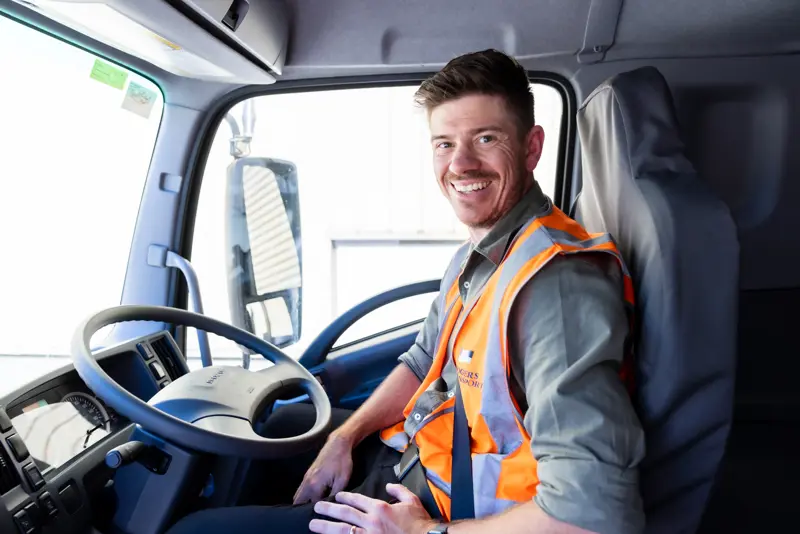
PASSING THE BATON
When people envision what the future of automation in trucking might look like, there are several models that have been predicted and each has its own pros and cons.
One such theory is known as ‘passing the baton,’ and remains the most likely scenario at present.
In this setting, the truck would perform the more basic driving tasks—such as highway cruising in favourable conditions—and would then pass the baton to the human driver for more technical or difficult sections of a journey.
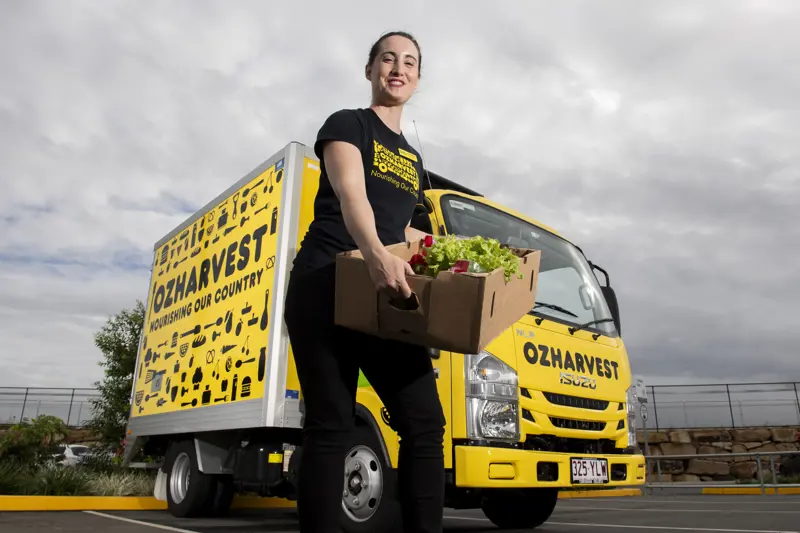
EMPLOYERS & ROBOTS
Moving away from scenarios for a moment and into some working examples, we needn’t look any further than iron ore mining operations in Western Australia.
Mining giant Rio Tinto has been an early adopter of automation for some time, from drills and drones to trains and haul trucks, all operated under a supervisory system out of a central control room in Perth.
With more than 130 trucks now piloted autonomously, Rio Tinto claims that each truck was estimated to have operated on average 700 hours more than conventional haul trucks, with 15 per cent lower costs. A switch they say is delivering clear productivity benefits and a safer working environment.
On the warehousing and logistic side of things, distributors such as Amazon are leading the charge in both the digital and physical automation of their operations.
Digital automation uses data and software to reduce manual workflows, whilst physical automation looks to increase warehouse capacity and efficiency, enhance reliability and scalability of services and improve overall performance.
An advanced automated warehouse combines mechanised warehouse robotics and automation systems that can potentially replace more labour-intensive human workflows.
For example, a robotic forklift fleet that uses advanced AI, cameras and sensors to navigate a warehouse and communicate each forklift’s location to an online tracking portal.
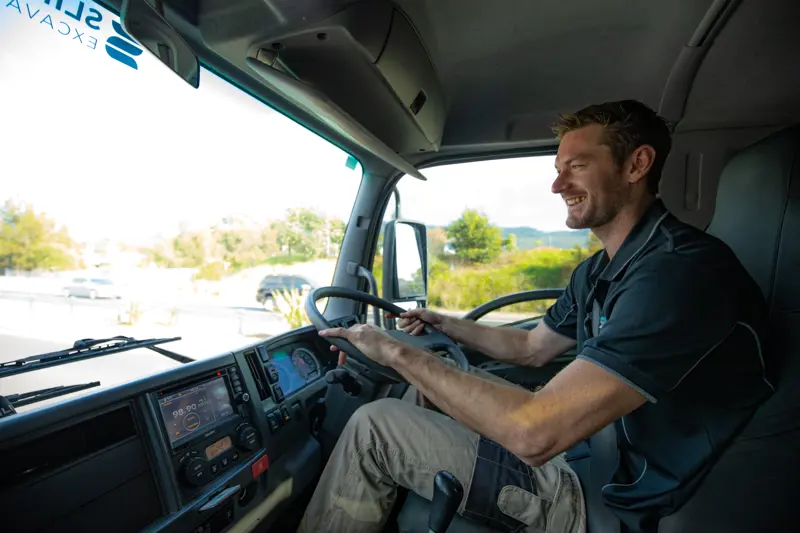
COMPUTERS AS CO-WORKERS
A fully automated truck fleet remains a futuristic prospect, but contemporary cars and trucks already offer the foundations of automated safety assistance to drivers.
The Advanced Driver Assistance System (ADAS) is a suite of active safety features that work together to protect drivers and pedestrians using a network of sensors.
This suite of automated features includes advanced emergency braking (EBS), which can brake automatically if a collision is detected, distance warning systems (DWS) and electronic stability control (ESC), which can detect understeer and oversteer and take steps to prevent accidents.
Technology has allowed the human race to be more productive than ever. Computers and other forms of automation have created a world where a single modern worker can do the work that would have taken a whole team only a few decades ago.
One analysis suggests that one modern lawyer is as productive as 500 used to be but as stated already, the automation of knowledge is decades ahead of where physical automation currently resides.
Perhaps there is some comfort to be gained from knowing that people aren’t so easily replaced as first thought.
Ready, set, action. Stay up to date with the latest news and read about the NHVR’s safety action plan for 2023 here.
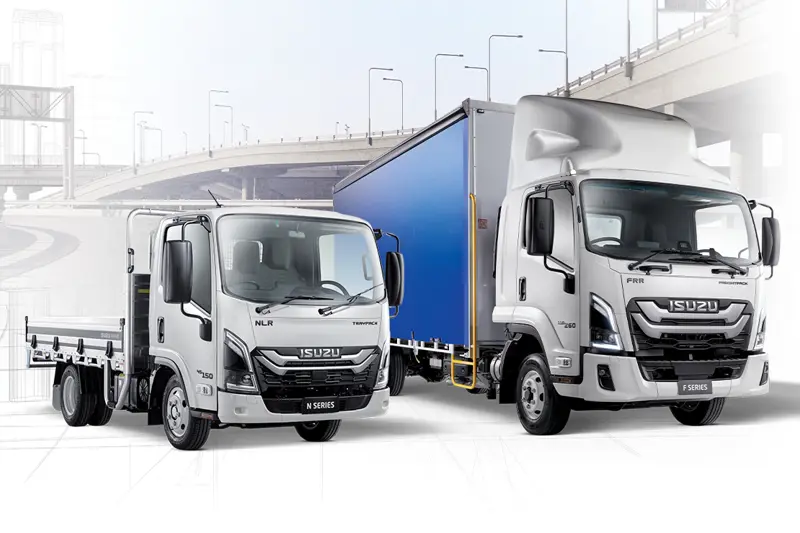
The all-new range of Isuzu trucks has arrived. With a sleek new cab design, more advanced safety features and a smoother, more comfortable drive, the new range will change the way we rely on our trucks. Forever.
Learn more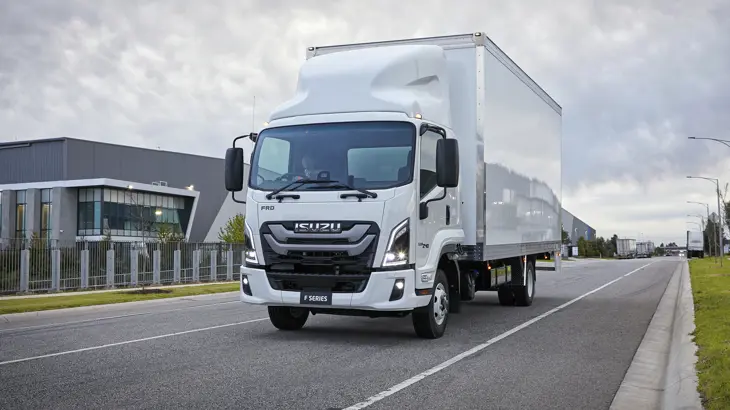
Subscribe
Want all the latest Isuzu news?
Stay up to date with the latest on Isuzu and dealerships near you.