Do’s and Don’ts of Realising Greater Fuel Economy

Off-highway diesel engines are applied to a wide range of applications from remote and back-up power generation, marine applications, dewatering, through to agricultural pumping needs and everything in between.
Just like any combustion engine, these tools of the trade require regular attention to ensure smooth, reliable operation and to get the best fuel economy results.
To realise genuine fuel efficiencies, there a few factors, including operating hours, the application at hand, the frequency of use and the load on the unit itself.
In this blog we take a look at some manageable ways operator can target ensure favourable fuel economy via a few simple steps.
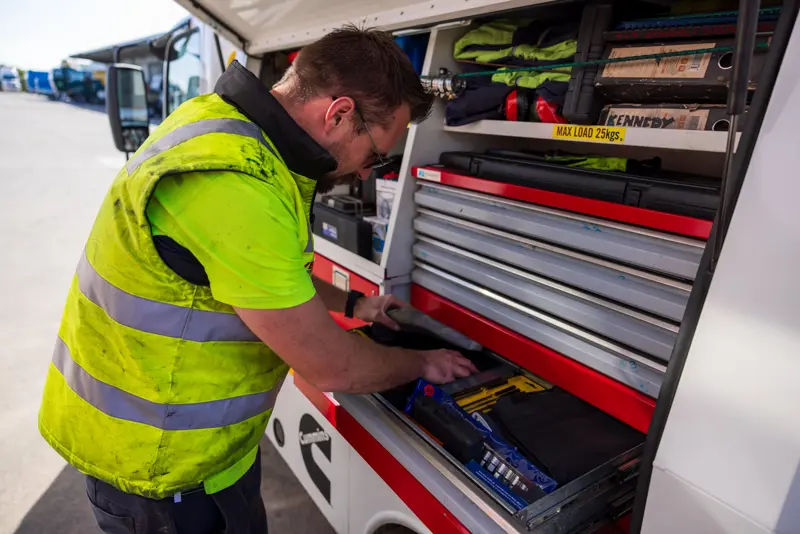
1. Regular Maintenance
Same as any mechanical piece of equipment, servicing at regular intervals will ensure that optimised fuel economy is maintained, in concert with the remaining factors below. Reputable manufacturers will recommend optimal servicing intervals of between 250-500 hours of service.
Changing air, fuel and water filters and replacing oils and lubricants at the recommended intervals ensures the smooth operation of the engine and in-turn greater fuel economy.
A quality diesel mechanic will not just change consumables, they will also ensure if any valve or injector adjustments are required. This may not be at every service but will be required over the life of the engine.
Don’t wait for an issue to arise either, regular servicing will see a qualified technician pick-up a problem with early intervention, minimising downtime and saving both time and money.
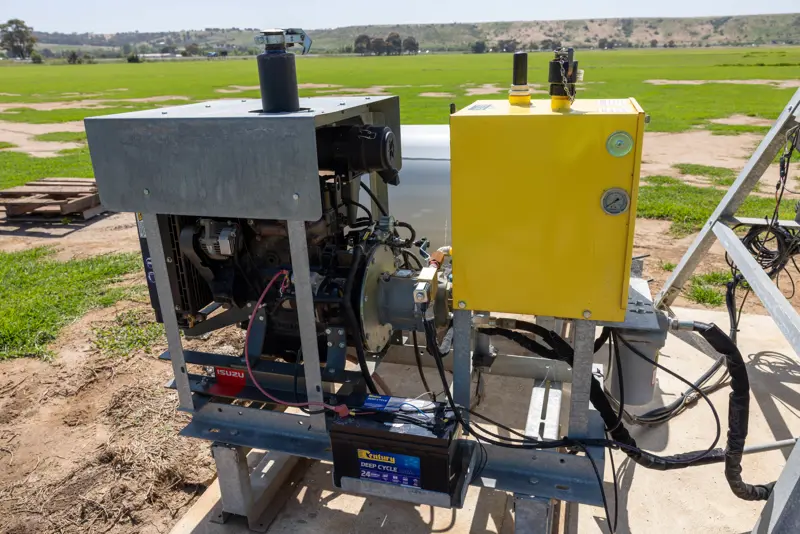
2. The right tool for the job
Like Goldilocks and the Three Bears – is the engine working too little, too much or just right? Although bigger may sound better, it could in-fact be expelling too much output for the task, which means unnecessary fuel use. On the flip side, specifying an underpowered unit means that it has to work harder, use more fuel and it could also create excess wear and tear on componentry.
Working with your dealer to specify the correct engine set-up for the application, from the outset, will go a long way to a better outcome both from an operational and fuel efficiency perspective.
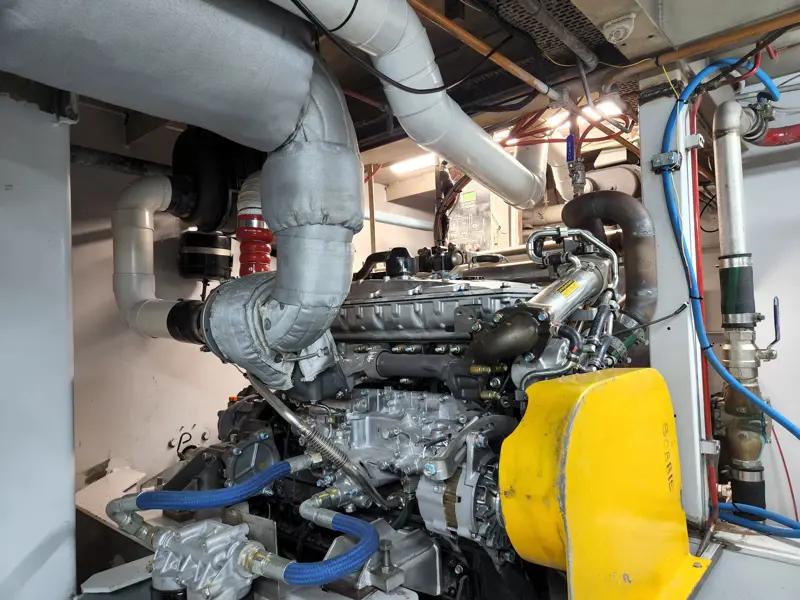
3. Load adjustment
This will depend on the application and it’s important to get right.
There will be a sweet spot for all engines to operate at maximum efficiency. Depending on if your engine is mechanical or common rail, a degree of adjustment by a qualified mechanic will be required over time to ensure the engine is working in its peak torque range.
Taking these factors into consideration and adjusting your unit to cope will have a direct effect on fuel consumption. Depending on the end use, some engines will run almost continuously, while others could be out of use for days, weeks, even months.
Make sure you ‘turn over’ any combustion engine regularly (at least monthly). This is not only important for the lubrication of critical parts but will also ensure the battery has charge. Issues such as the engine overworking and not going above its operational RPM or blowing too much smoke, can be identified and intervention will be required. This simple process can prove critical in not only ensuring peak performance (and therefore fuel economy), but engine longevity.
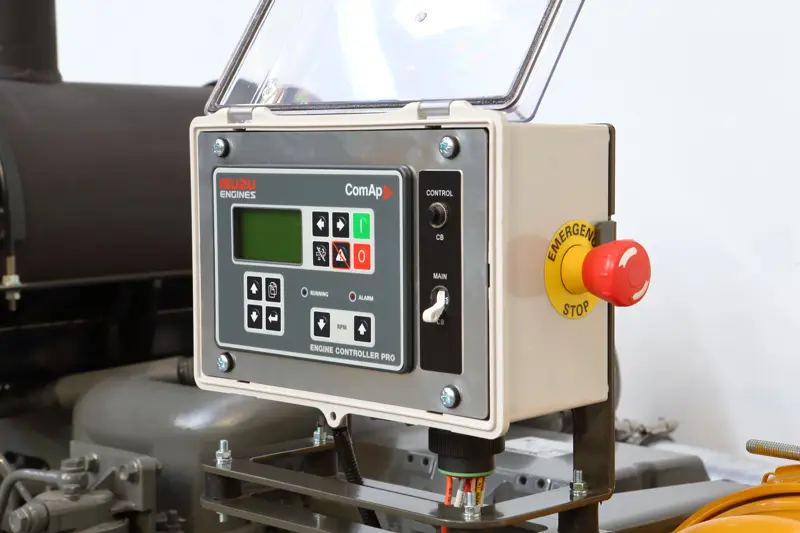
4. Dialling it up
Most contemporary static diesel engines will have a set of dials that could be either analogue or digital. The dials will show engine speed (RPM), engine and coolant temperature, plus oil pressure.
These dials help monitor the engine’s operating condition and are a window into the overall health of the unit. There’re also the first (and sometimes the only) indicator of the need for intervention. Get to know them and understand what they’re telling you.
Units that have digital indicators often have automated settings that alert the operator to an issue. Later model units often use wireless technology that send alerts and monitoring information via a systems network or even direct to the operator via a phone app.
As a rule, a number of system indicators are set to ‘advisory’ levels to ensure intervention occurs well ahead of larger issues that could require expensive maintenance or replacement.
5. Quality equipment
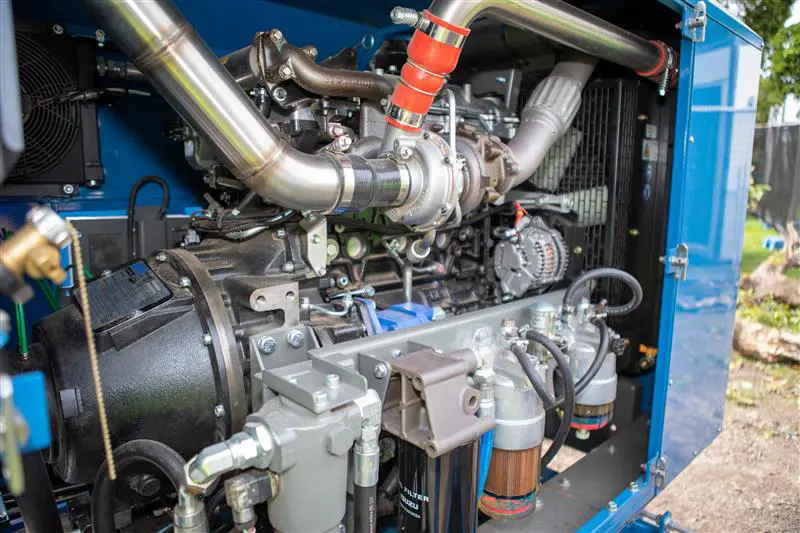
Selecting what diesel engine should be used for the application at hand comes down to several factors, although quality should always be at the top of the list.
Reputable brands that offer not only products that are built for the job - but also backed by quality service, parts and consumables - can be the difference between smooth operations and constant hiccups.
Some issues can be solved with a Google search, but it's the quality of the engine and experience from those available to provide backup that makes the difference.
Australia is a wide and varied working environment, so having the right engine and on-hand expertise can never be underestimated.
6. Engine set-up and fuel storage
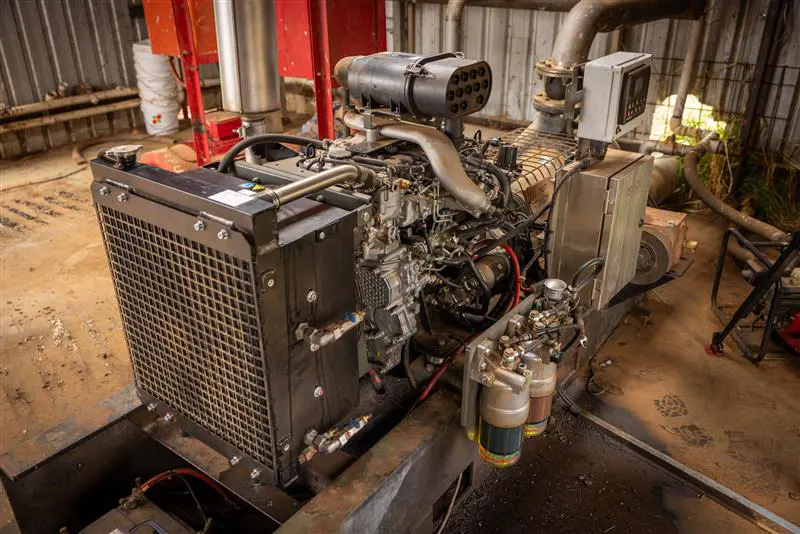
As much as having the right engine is important, so too is how that engine is housed with air circulation and weather protection a priority for reliability and performance. Proper installation can extend to output shafts being aligned correctly so that inefficient running or overloading does not occur.
The same can be said for diesel fuel, both from the feeder tank mounted to the engine itself, through to additional fuel stored on-site. The basic rule of thumb is to store excess fuel in a cool and dry climate to minimise risk of microbial growth, water buildup and oxidation of diesel.
Sketchy fuel can limit an engine’s effectiveness or severely damage critical components, ultimately leading to replacement.

7. Quality fuel
The old saying, ‘not all fuels are the same,’ still applies to this day.
Always know the quality of the diesel fuel you use. If in doubt, make further enquiry about the origin of the diesel provider.
In short, reputable diesel fuel manufacturers and suppliers invest in quality products as their reputation is riding on it.
Useful information on fuel standards can be found at the Australian Government's Department of Climate Change, Energy, the Environment and Water
Engines are powering all sorts of industries, including emergency response. Check out this blog for more info.
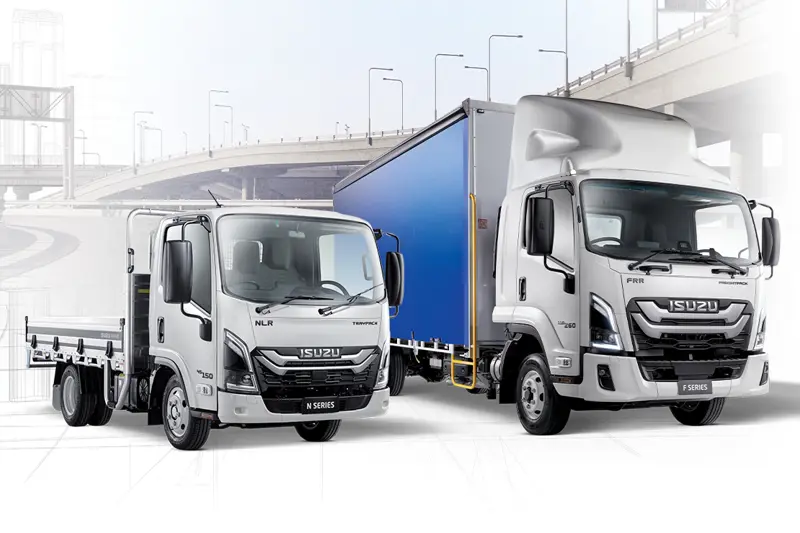
The all-new range of Isuzu trucks has arrived. With a sleek new cab design, more advanced safety features and a smoother, more comfortable drive, the new range will change the way we rely on our trucks. Forever.
Learn more

Subscribe
Want all the latest Isuzu news?
Stay up to date with the latest on Isuzu and dealerships near you.