New Axle Mass Limits: Your Payload Advantage

Late last year, the Federal Government responded to industry feedback, granting higher front-axle weight allowances for more contemporary Euro VI (ADR 80/04 compliant) trucks. But what does this mean for your fleet?
We’re cutting through the uncertainty on the new weight limit rules to find out how they can boost your carrying capacity.
Let’s break it down.
What’s behind the change?
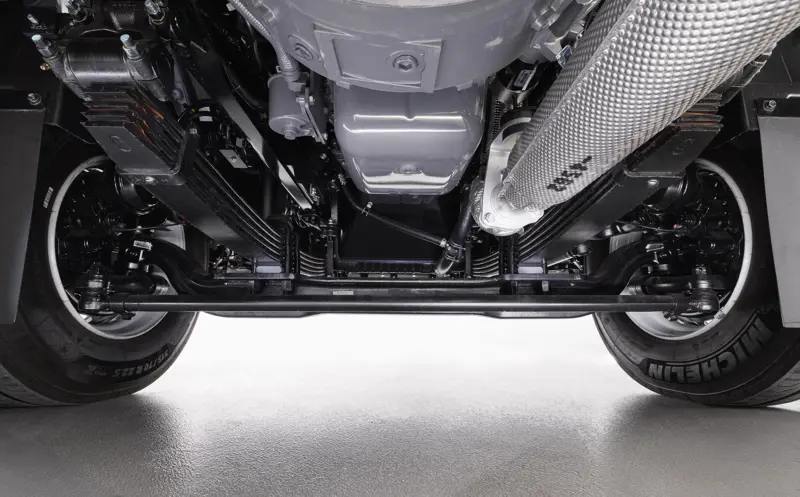
The need to raise the front axle limits is a response to industry calls for more appropriate weight distribution for new (Euro VI and post-Post New Long Term (pPNLT)) compliant trucks.
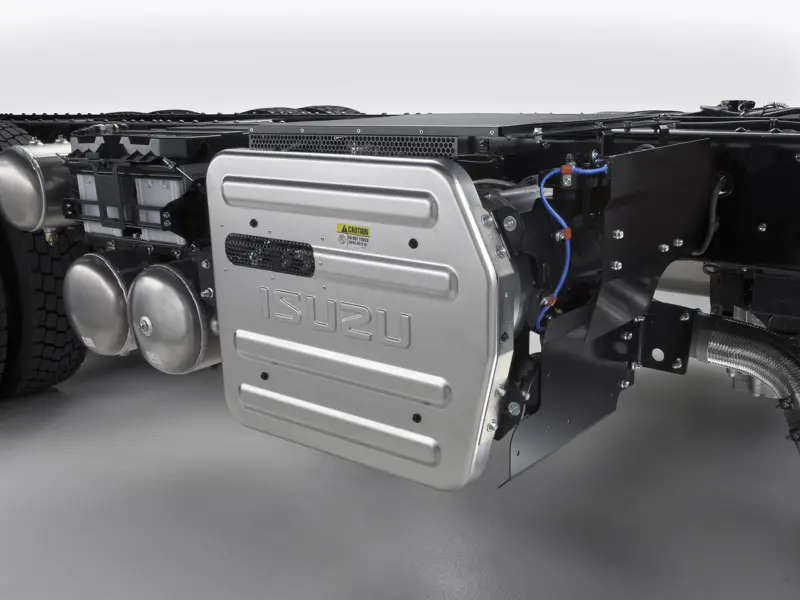
Whilst helping to reducing tailpipe emissions, advanced emission systems (such as the addition of AdBlue tanks and advanced exhaust treatment systems) do add some additional weight close to the front drive axle of these trucks - where they’re typically mounted.
As mentioned earlier, these systems help meet a required emissions standard applying to all new heavy vehicle models for sale in Australia from November 2025.
In a nutshell, the old front-axle limits have evolved to account for the pace of change in our industry and the new rules took effect back on 1 November 2024.
Vehicle eligibility
Understanding if your vehicle, or perhaps a looming purchase, is eligible to operate under the ADR 80/04 limit changes is the first step. There are three eligible vehicle types…
- Single steer axle vehicles that:
- Are complying steer axle vehicles,
- Are not complying steer axle vehicles, and
- Twin steer axle vehicles
To find out more about the eligibility criteria, the National Heavy Vehicle Regulator has produced a detailed information sheet covering this and some other caveats that apply in certain scenarios.
Payload benefits
By way of an example, a complying steer axle (on a heavy vehicle complying with the older ADR 80/01 emissions standard) has been subject to a 6.5 tonnes mass limit since 2006.
A complying steer axle fitted to a modern heavy vehicle (equipped with an ADR 80/04 emissions system) would allow the vehicle to receive an additional 0.5 tonne (500 kilograms) limit on its GVM rating.
Depending on other individual axle limits in the area of operation, this additional mass can be spread across steer or drive axle groups. In some cases, the extra mass can only be carried on the steer axle (at up to 7.0 tonnes on a single axle).
The bottom line? When it’s all said and done, the crux of this change means that new Euro VI or pPNLT trucks can now legally carry more payload than equivalent Euro V or older models.
Tyres matter
A flow-on effect means that to access these higher weight limits and to satisfy compliance obligations, specific tyres must also be fitted…
- Single steer axles MUST use 315 mm (or wider) tyres (e.g. 315/70R22.5)
- Twin steer axles can use 275 mm (or wider) tyres (e.g. 11R22.5)
The takeaway
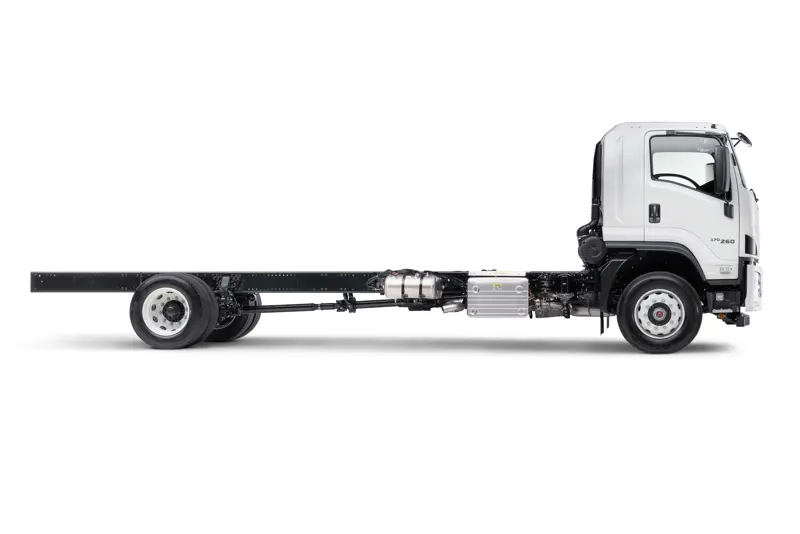
Whilst somewhat technical in nature, these changes can ensure some genuine efficiencies within your operation from a payload perspective, and with smart configuration, you can potentially…
- Carry more payload legally
- Offset ADR required emission systems weight
- Future-proof application specific weight distribution for electric options
As always, its recommended that you consult the experts to ensure your vehicle’s tyres, suspension, and compliance plates align with these new standards.
While there are a few caveats with these new limit rules, they’re worth investigating further. When every kilogram counts against your bottom line, it pays to be in the know and importantly, on the right side of the law.
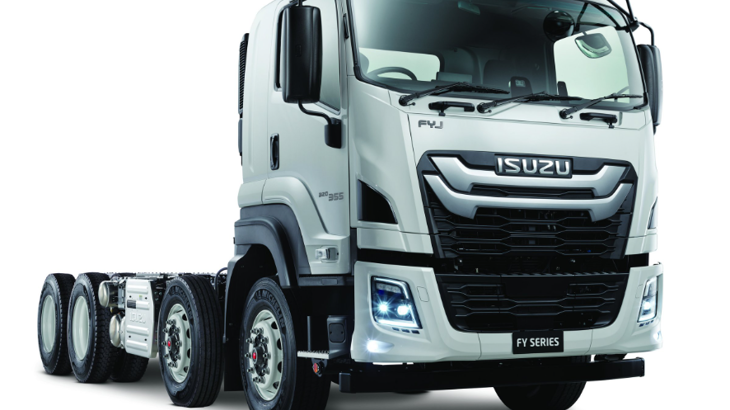
You may be interested to know that all MY25 Isuzu FV, FX and FY models have been specified to take advantage of these additional mass limits from the factory. So, not only is the new Isuzu truck model safer, more driver-focussed and more efficient, but it offers a payload advantage over the equivalent model it replaces.
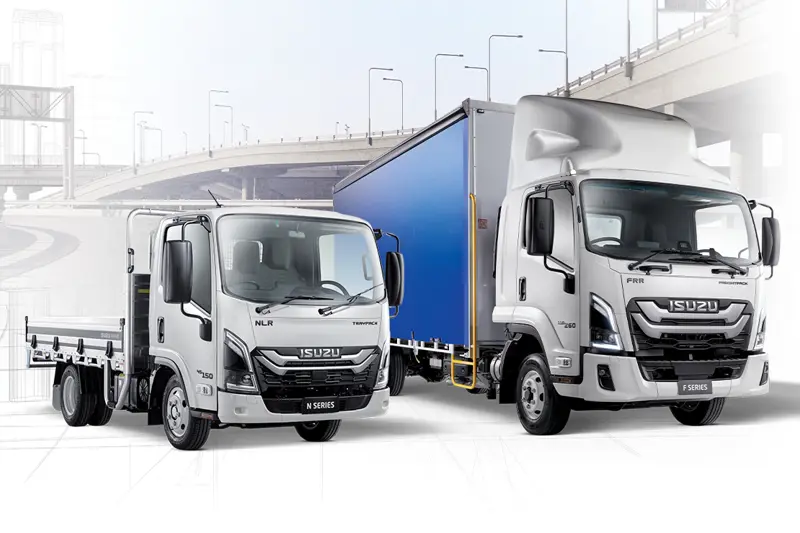
The all-new range of Isuzu trucks has arrived. With a sleek new cab design, more advanced safety features and a smoother, more comfortable drive, the new range will change the way we rely on our trucks. Forever.
Learn more
Subscribe
Want all the latest Isuzu news?
Stay up to date with the latest on Isuzu and dealerships near you.