Penny for your thoughts? Managing Fleet Servicing Costs

For owner-operators and fleet managers alike, one thing should be clear: truck reliability and safety are non-negotiable.
Yet when it's time to cut business costs, routine truck servicing and genuine parts are often some of the first things to go.
Skipping a service or opting for shortcuts may provide short-term savings, but they inevitably come at a higher price than expected, compromising safety, reducing efficiency, and increasing long-term expenses.
In this blog, three businesses with a small, medium, and large fleet share how they manage servicing costs without sacrificing the performance or safety of their vehicles.
Servicing a workhorse
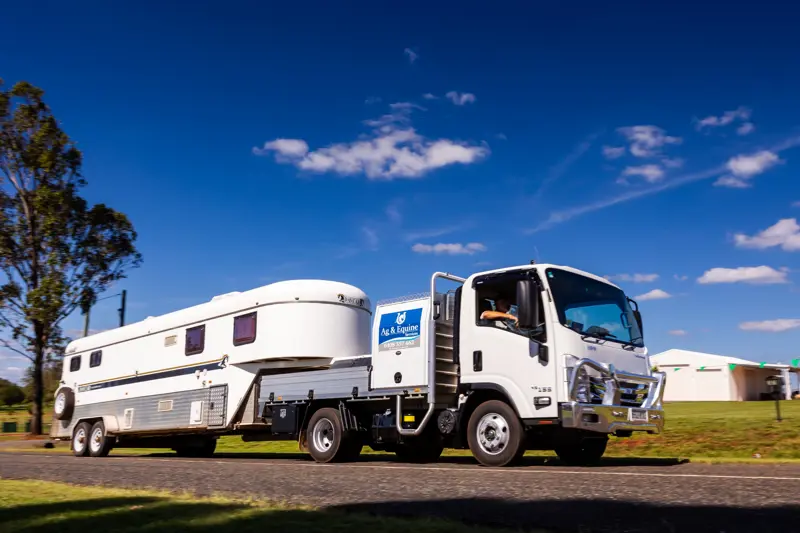
Making a recent upgrade from a work ute to a light-duty truck, Nathan Kerrison of Ag & Equine Services was keen to find a way to manage the costs of maintaining an asset that had such an important role for his business.
His light-duty truck transports his work tools and equipment and tows his gooseneck horse trailer. Travelling around Toowoomba and the Darling Downs region of Southeast Queensland, Nathan is a corrective farrier, trimming, shoeing, rebalancing and correcting horses’ hooves.
With 12-hour-long work days, Nathan is booked six weeks in advance and cares for roughly 100 horses a week. He travels approximately 130,000 km yearly and is on the road six to seven days per week.
Nathan chose a service agreement from his dealership, which covers the first six scheduled services, plus essential oils and lubricants, paid upfront as part of his truck’s financing.
Having this service agreement behind him reduces potential vehicle downtime with planned preventative maintenance using genuine OEM parts.
“Purely from a business perspective, I thought the service agreement was a great offer, so I took it. As far as buying genuine parts, they’re always going to be a perfect fit—why would you risk buying something substandard just because it’s a little bit cheaper?”
Updating an aging fleet
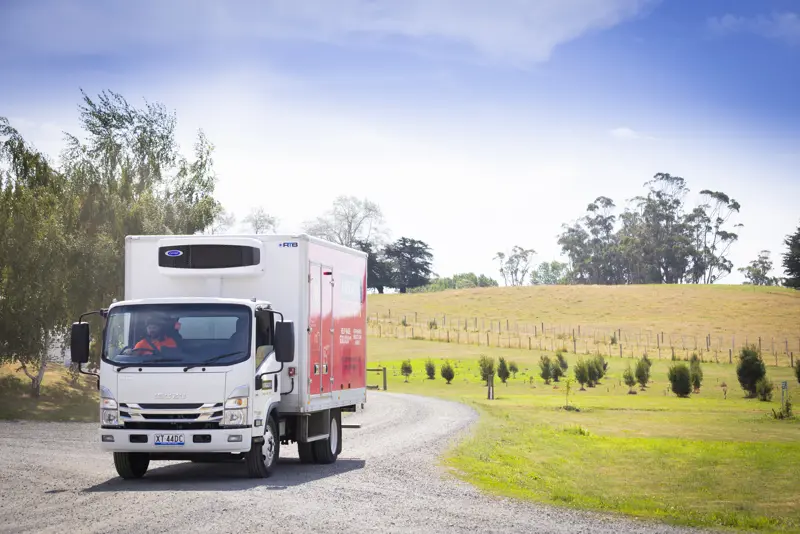
Dairy farmers and producers of fine cheeses, milk, and other dairy products, Ashgrove Cheese, has a solid strategy for maintaining the safety and efficiency of its light-duty and medium-duty truck fleet—all with an eye on the bottom line.
Ashgrove delivers fresh milk to cafes, restaurants, offices, and businesses around Northern Tasmania five days a week. To ensure customers receive their orders well before opening time, the drivers hit the road as early as three o’clock in the morning.
Logistics Manager Corey Harris outlines three key steps the business uses to stay on top of fleet costs:
- Evaluating the age of the trucks, examining the residual value of existing units, and replacing them when maintaining them is no longer financially viable.
- Opting for genuine parts when it comes time for replacement, ensuring the longest possible lifespan and reducing the frequency of replacements.
- Switching to a single OEM supplier, supporting standardisation across the fleet, ease of use for drivers, and consistency for servicing.
New trucks with the latest safety features and good fuel economy also provide value for Ashgrove, as does dedicated support from the service department at their local dealership.
“The last time we needed a replacement for one of the truck parts, our dealership organised everything within the quoted time frame; it was completed, delivered, and returned on time and within budget.”
Total cost of ownership
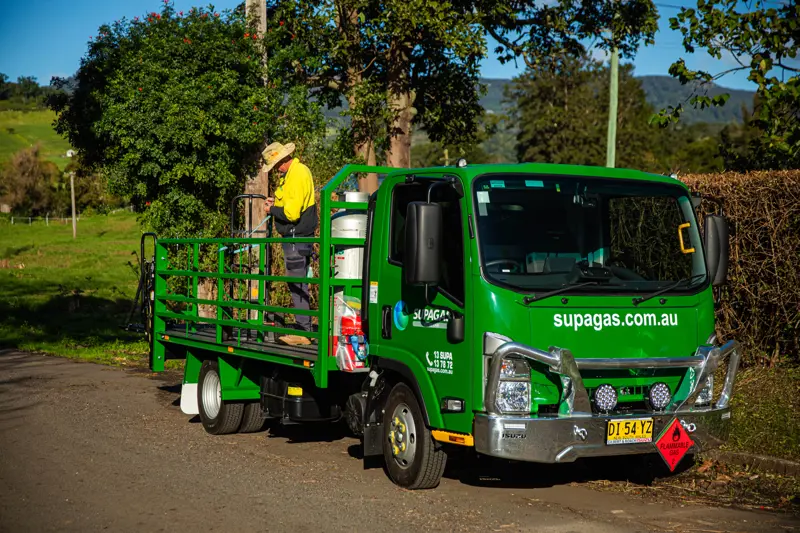
As one of Australia's leading national suppliers of liquid petroleum gas (LPG), Supagas offers many products and services, including industrial, residential, and medical gas uses and 8.5-kilogram swap bottles for the backyard barbeque.
The business has 46 depots nationwide and a growing truck fleet that exceeds 250 units.
To keep the fleet in working order and maintain running efficiency, Supagas plans to renew its vehicles for eight years, ensuring that excellent value remains for eventual re-sale after retirement.
This is part of their fleet management strategy, specifically in calculating total cost of ownership (TCO) or whole-of-life cost. This includes all associated expenses from vehicle purchase through ongoing maintenance, predicted downtime, and end-of-working-life value.
National Fleet Manager Michael Greenep's plan is to purchase new trucks and replace existing trucks that have reached the eight-year mark, along with the OEM’s most comprehensive service agreement package, paid monthly, which further streamlines their maintenance and cash flow.
“If you’re paying out of your pocket for service and repair costs, they can bounce all over the place. With a service agreement, we can budget for a flat outgoing, where we know what it’s going to cost, so happy days.”
Smart savings
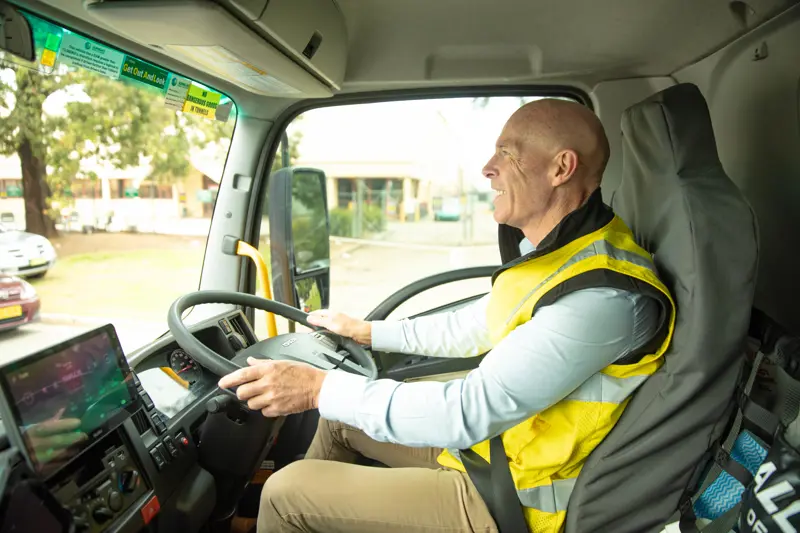
No matter the size of your truck fleet, it pays to do your research. Remember that your OEM customer care or dealership is there to support you—discussing ways to streamline costs and manage your truck fleet with them can pay dividends in the long run.
From opting for genuine parts at service time to exploring servicing agreements, evaluating your total cost of ownership, or retiring aged models that cost too much to repair, there are many different options to consider that can have a big impact on your bottom line.
Hitting the road but need to brush up on your minimum follow distance around trucks? Look no further, this blog has all the latest updates.
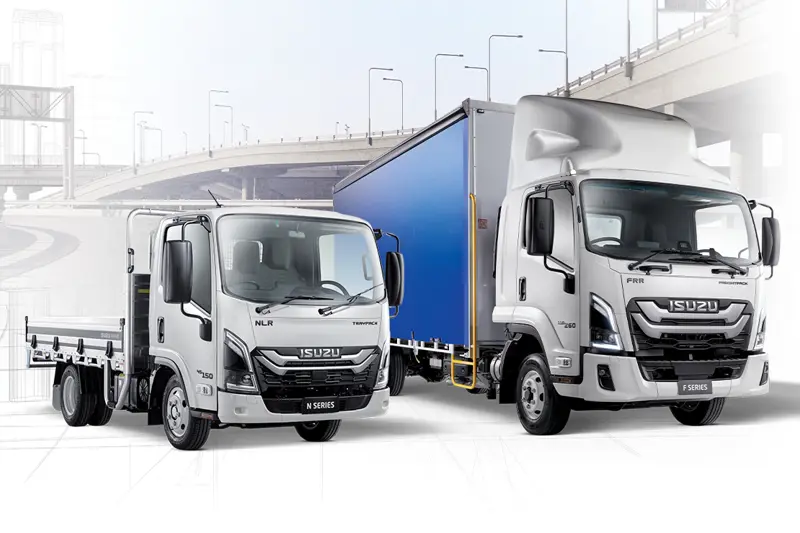
The all-new range of Isuzu trucks has arrived. With a sleek new cab design, more advanced safety features and a smoother, more comfortable drive, the new range will change the way we rely on our trucks. Forever.
Learn more
Subscribe
Want all the latest Isuzu news?
Stay up to date with the latest on Isuzu and dealerships near you.