Updates to Australian Design Rules for Heavy Vehicles

Australia’s roads and transport systems have evolved alongside growing populations, increasing freight demands, and the pace of modern life. To keep our roads and environment safe, vehicle regulations have had to keep up, shaping how vehicles are built and brought to market.
At the heart of these regulations are the Australian Design Rules (ADRs) —a comprehensive set of standards that all manufacturers must follow. While ADRs have been in place for decades, they only became a nationally recognised standard in 1989; before then, it was up to individual states and territories to adopt them.
So, what’s the big deal with the upcoming 2025 ADR updates? And why should they matter to you if you’re in the market for a new truck?
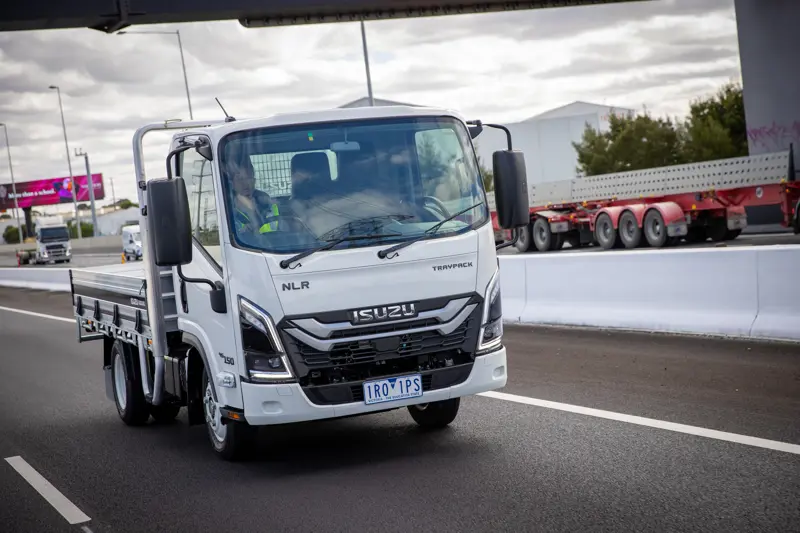
Australian Design Rules
The Australian Design Rules set the minimum safety and environmental standards that heavy vehicles must meet at the time of manufacture and throughout their life on the road.
These rules play a critical role in keeping our roads safe. They help prevent accidents by regulating vehicle lighting and signals, braking performance, driver visibility, and onboard safety technologies, as well as anti-theft protections.
ADRs also focus on protecting vehicle occupants in the event of a crash. This includes features such as seatbelts, energy-absorbing steering columns, head restraints, and occupant protection systems—all fall under their scope.
And it's not just about safety: ADRs also cover environmental standards, helping to reduce vehicle emissions and noise pollution.
For a complete list of Australian Design Rules, see www.infrastructure.gov.au.
2025 ADR updates
Below are three ADRs relating to heavy vehicles over 3.5-tonne GVM, coming into effect during 2025:
- ADR 35/07: Electronic Stability Control (ESC) on all new heavy vehicles from 1 February 2025
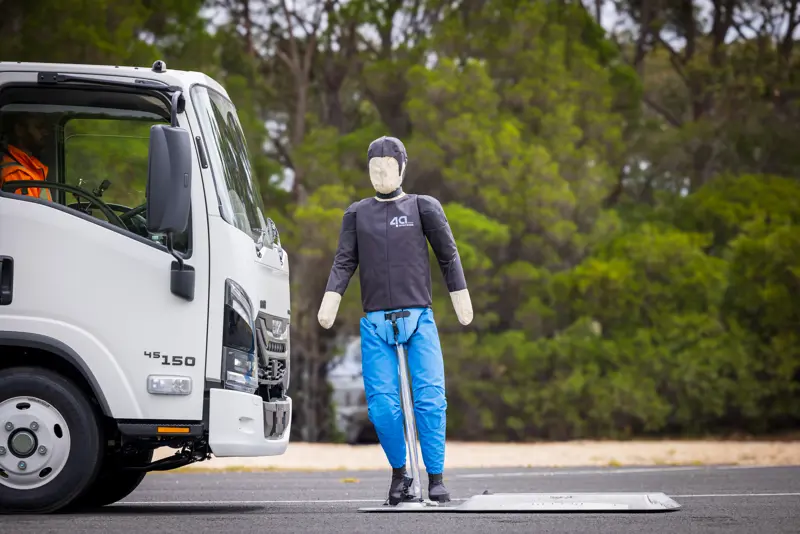
- ADR 97/00: Advanced Emergency Braking (AEB) on all new heavy vehicles from 1 February 2025
- ADR 80/04: New emission standard applying to all new and existing heavy vehicle models from 1 November 2025
What do the changes mean?
The great news for owner-operators and fleet managers? ADRs primarily impact Original Equipment Manufacturers (OEMs).
That means when you're shopping for a new truck, all you need to do is check the model year, then hit the road with the latest compliant safety technology and emissions standards already built in.
These regulatory updates set the bar for every new vehicle sold in Australia. OEMs must then meet these standards, ensuring that each truck offers the required features.
Note: Currently registered vehicles will not be affected by the new ADRs and will not need to be retrofitted to remain on the road.
Beneficial change
Updated ADRs like ADR 35/07 and ADR 97/00 ensure trucks come equipped with the best safety systems available, helping protect drivers and everyone else on the road.
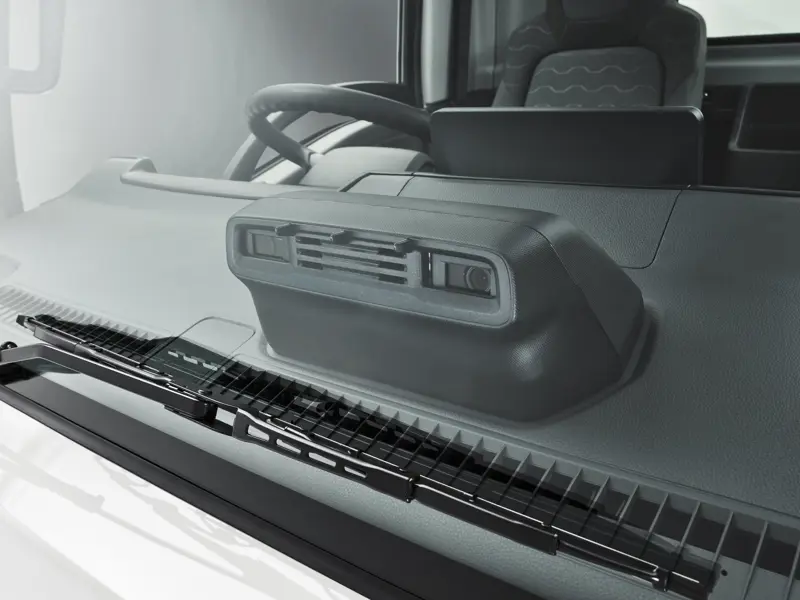
Starting February 2025, AEB (ADR 97/00) will be mandatory on all new heavy vehicles. With sensors that detect potential collisions before they happen, this tech gives larger vehicles more time to slow down or stop safely.
Compulsory ESC (ADR 35/07) is another major win for drivers. It automatically adjusts the throttle and braking systems to reduce rollover risk and keep trucks steady, especially in emergency manoeuvres.
Beyond safety and from a compliance standpoint, ADR 80/04 helps businesses stay on track with their environmental goals and will help to reduce noxious emissions contributing to air pollution, creating a cleaner and healthier environment.
ADR 80/04 requires all diesel heavy vehicles from 2025 onward to meet Euro 6 (Stage C) emissions standards. For manufacturers, this means trucks will most likely be fitted with AdBlue tanks to store AdBlue diesel exhaust fluid, utilising Selective Catalytic Reduction (SCR) to reduce harmful emissions.
The bigger picture
Having ADRs as the standard for new vehicles ensures that trucks are engineered to perform safely and reliably on Australian roads, in Australian conditions. From scorching heat to rugged terrain, our diverse landscape and climate are all factored into the design and build of these vehicles.
Different vehicle types fall under different ADR categories, so whether it’s passenger cars, SUVs, motorcycles, buses, heavy vehicles, or trailers, each ADR takes into account factors like size, weight, purpose, and passenger capacity to ensure the right safety and environmental standards are applied.
ADRs are also an important factor in addressing Australia’s unique challenge of an ageing truck parc, with the majority of trucks currently on the road being six years or older. In fact, about 20 per cent of heavy-duty trucks are between 8 and 9 years old, and another 10 per cent are over 10 years old, according to a recent industry report.
Soon, these older trucks will become increasingly expensive to repair and less efficient compared to the new generation of vehicles.
As these aging trucks are retired and recycled, they’ll make way for newer models that offer better safety for all road users and reduce environmental impact through improved emissions technology and fuel efficiency.
Ever wonder how your truck’s service schedule was designed? Check out this blog to find out more.
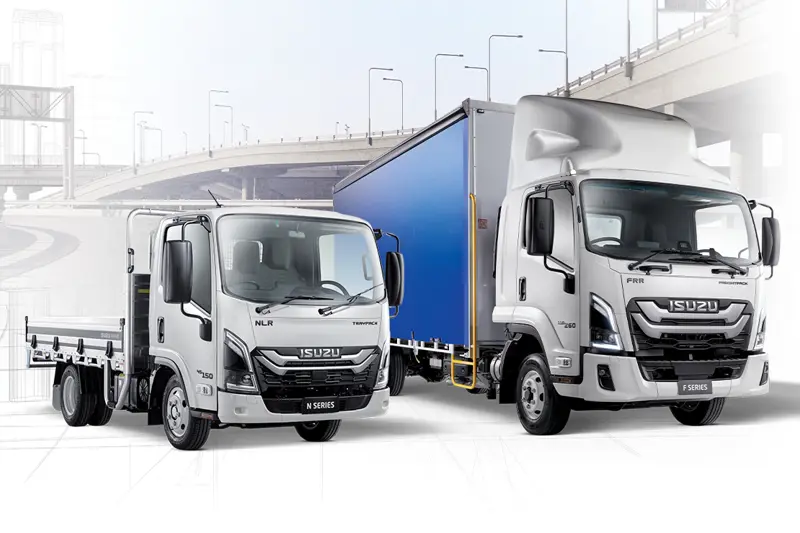
The all-new range of Isuzu trucks has arrived. With a sleek new cab design, more advanced safety features and a smoother, more comfortable drive, the new range will change the way we rely on our trucks. Forever.
Learn more

Subscribe
Want all the latest Isuzu news?
Stay up to date with the latest on Isuzu and dealerships near you.