Why Reliability isn’t Just Nice, it’s None Negotiable

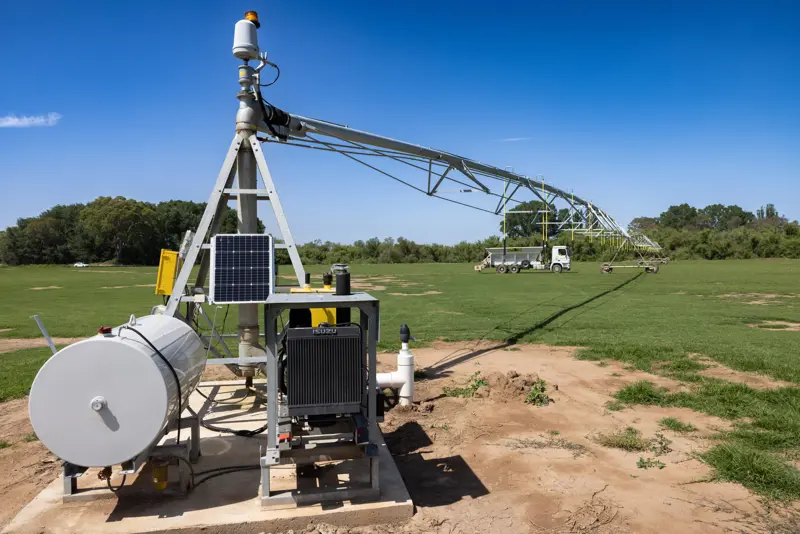
Whether it’s a generator keeping the lights on during a summer storm, the pump unit pushing water through to thirsty crops, or the marine engine reliably getting you to (and from) the fishing grounds, that diesel powerplant isn't just equipment; it's your lifeline.
When that generator needs to fire up during a grid outage in regional WA, failure isn't an option. When the irrigation pump must run during the crucial window for your Queensland cotton crop, a breakdown isn't just inconvenient, it’s potentially devastating. Similarly, when you're relying on a marine engine 30 clicks off the west coast of Tassie, trust isn't something you muck around with.
In the vast, often unforgiving landscapes of Australia, having an engine that’s genuinely reliable is not a luxury, it’s absolutely critical.
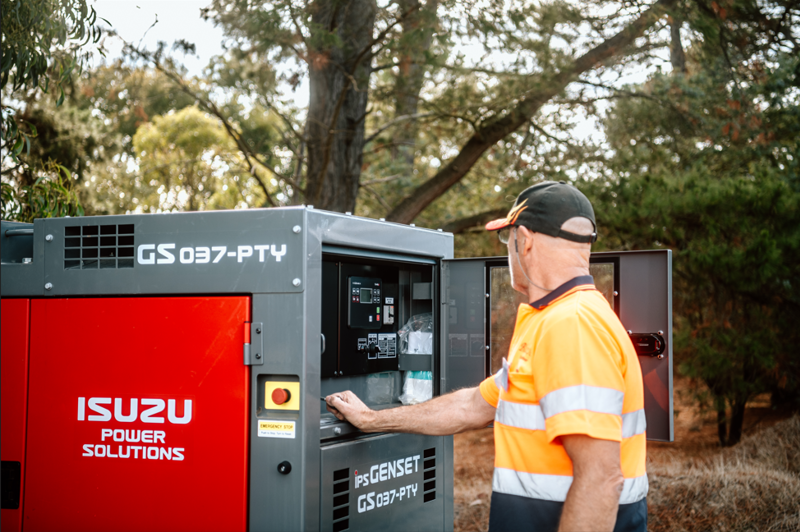
So why is engine longevity such a critical trait here in Australia?
- Isolation: Many of our local applications operate far from the nearest mechanic or spare parts depot. A breakdown can mean days of lost work and significant recovery costs.
- Harsh conditions: From dust clogging air filters in the Pilbara, forces on the engine in heavy seas, it’s no secret Australian conditions test engines to their very limits.
- High-stakes scenarios: Firefighting pumps, essential medical facility backups, critical mine site ventilation – the failure of the engines that back these scenarios can have serious consequences far beyond just downtime and money.
How then do you ensure your diesel engine doesn't just run, but runs reliably for the long haul? It all boils down to proactive care and wise procurement decisions.
Quality is king
Contaminated or poor-quality diesel fuel is public enemy number one for injectors, pumps, and filters. This is a huge issue for engine longevity. Check out this blog on fuel use for more details.
Water ingress
Especially common with fluctuating temperatures, microbial growth, aka "diesel bug," can wreak havoc, so make sure you source fuel from reputable suppliers.
Invest in quality primary and secondary fuel filtration (water separators are crucial) and regularly drain water traps.
Consider biocides if storing fuel for long periods, especially in humid coastal areas. The Australian Institute of Petroleum (AIP) provides solid guidelines on fuel standards and storage.
Air filtration
This is your engine's first line of defence. Australia is dusty as hell and sand, dirt and grit ingested into the combustion chamber can act like sandpaper on cylinders and rings.
Make sure you specify high-quality, correctly sized air filters, specifically designed for your engine and environment (such as pre-cleaners for extreme dust).
Don't just wait for the service interval either, inspect filters frequently, especially if weather conditions aren’t great. Clean pre-cleaners daily in severe dust and ensure the entire intake system is sealed properly.
Cooling systems
Overheating kills engines fast, and scale, corrosion, or leaks can reduce cooling efficiency dramatically.
Be sure to use the correct coolant mix as recommended by the engine manufacturer and test coolant concentration annually. Flush and replace coolant as per the service schedule – this is often neglected but can be vital to longevity.
Regularly inspect hoses, belts, and the radiator core for blockages (insects, dust, chaff) and clean radiator fins carefully.
Midnight oil
Oil is literally the lifeblood of any diesel engine. Clean oil at the right level and viscosity is fundamental for lubrication, cooling, and cleaning internal components – it is a protectant.
Oil is part of the environmental control of an engine with it collecting carbon deposits which makes darken. The darker it gets, the less efficient it is and will therefore need changing and not topping up.
Stick rigidly to the manufacturer's recommended oil change intervals and oil specification (e.g., API CK-4, FA-4). Use high-quality oils specifically designed for diesel engines.
Check your levels religiously, or at least before every significant run. Look for signs of contamination (fuel dilution, coolant ingress) on the dipstick.
Load management
Many modern diesel engines, especially generator sets, need to be run under sufficient load regularly to keep the exhaust system hot enough to prevent ‘wet stacking,’ (unburned fuel and carbon buildup); consult your manual for minimum load requirements.
Give the engine a few minutes to warm up under light load before throttling up, and likewise, allow a minute or two to cool down after heavy work. This helps oil circulate and stabilises temperatures.
Engines sitting idle for very long periods can develop issues (seals drying, fuel degradation, battery drain), so schedule regular ‘exercise runs’ under load, especially for standby equipment like generators.
Unwanted guests
Vermin, whether it be rodents, birds or insects can play havoc with engine operation. This can occur anytime and not just during times of plague that can have an effect on an engine’s operation. Engines have a range of components that attract vermin either by smell, taste or temperature. A bird’s nest on an air inlet can cause fire and their acidic faeces can cause damage to metal surfaces. Insects will clog filters, while mice will eat through just about anything.
Pest control is an option and simply checking over the engine and cleaning away affected areas will save you in the long run.
Choose wisely
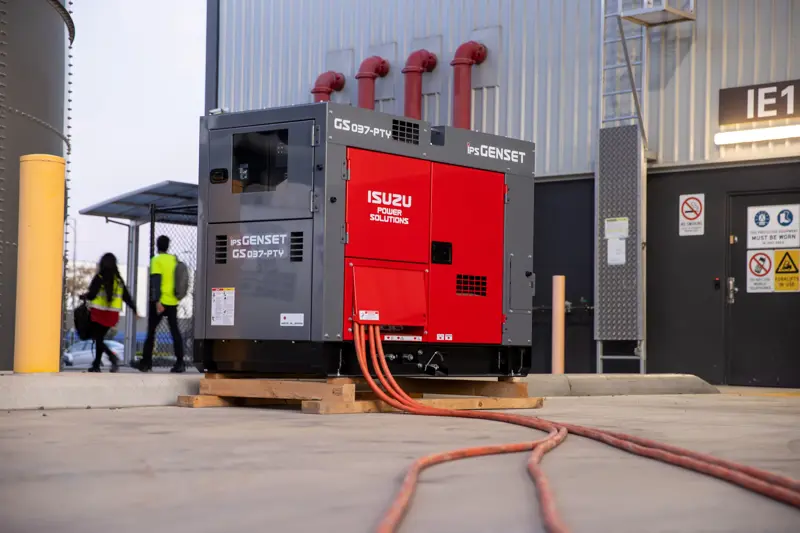
Reliability starts with the engine itself, so invest in a quality engine from a reputable manufacturer known for durability and with a strong Australian parts and service network.
Consider the specific demands of your application (continuous vs. standby duty, environmental extremes etc). Look for engines designed with features that aid longevity in tough conditions (e.g., heavy-duty air filtration options, corrosion protection).
The bottom line
Your off-highway diesel engine is a significant investment and a critical asset, so treating it right – with clean fuel, clean air, clean coolant, clean oil, sensible operation, and commitment to proactive maintenance, isn't just about avoiding a breakdown, it's about maximising the return on your investment. It’s about ensuring it's ready when you absolutely need it most and getting those crucial hours of dependable service that Australian conditions demand.
By respecting the demands placed on your engine, you're not just maintaining machinery; you're safeguarding your operation, your livelihood, and that irreplaceable peace of mind that comes with knowing your engine won't let you down!

The all-new range of Isuzu trucks has arrived. With a sleek new cab design, more advanced safety features and a smoother, more comfortable drive, the new range will change the way we rely on our trucks. Forever.
Learn more


Subscribe
Want all the latest Isuzu news?
Stay up to date with the latest on Isuzu and dealerships near you.